NeuroQuiet Reviews: What This Hearing Support Spray Contains and What the Evidence Supports
By the Nature Vista Editorial Team · Updated October 2026
Disclosure: this article contains affiliate links. If you buy through them, we may earn a commission at no extra cost to you. It does not change what we write.
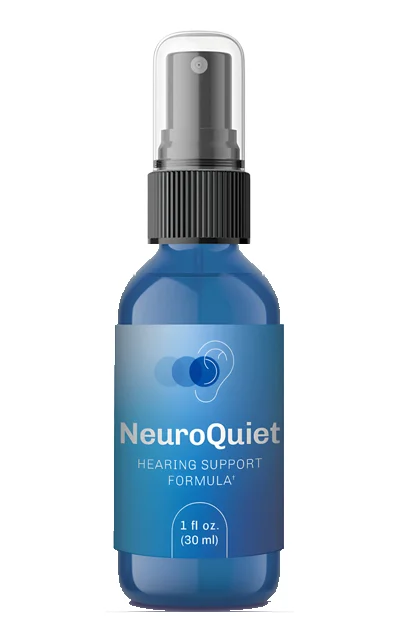
NeuroQuiet at a Glance
| Form | Sublingual spray — 1 fl oz (30 ml) bottle; label says 2 sprays in the morning and 4 at bedtime |
| Core ingredients | "Growth Factor Complex" (Alpha-GPC, GABA, L-dopa bean, moomiyo) + amino acid blend (arginine, tyrosine, glutamine, ornithine alpha-ketoglutarate and others) |
| Made in | USA, from foreign and domestic ingredients; sales page shows an FDA-registered facility badge |
| Guarantee | 90 days from the purchase date |
| Shipping (US) | Free on 3- and 6-bottle packages; extra on smaller orders |
| Main caution | Contains L-dopa bean (Mucuna) — check with a doctor if you take Parkinson's drugs, MAOIs, antidepressants or blood pressure medicine |
Ringing, hissing, buzzing or a high-pitched whine that nobody else can hear: that is how most people describe tinnitus. It is very common, especially after years of noise exposure or as hearing changes with age, and for some people it becomes loud enough to affect sleep, concentration and mood. Not surprisingly, there is a large market of supplements promising quieter ears.
NeuroQuiet is one of them, but with a twist: instead of capsules it is a sublingual spray you use under the tongue, and its formula leans on brain-related ingredients such as Alpha-GPC, GABA and L-dopa from Mucuna beans rather than the usual vitamins and herbs. In this review we go through the actual label, compare the marketing with the research on each ingredient and on tinnitus itself, flag the safety points that matter, and lay out the price and refund terms.
→ See the full NeuroQuiet formula on the official website
What Is NeuroQuiet?
NeuroQuiet is a dietary supplement sold as a liquid spray in a 1 fl oz (30 ml) bottle labeled "Hearing Support Formula". A serving is six sprays, and each bottle holds 30 servings, so one bottle is a one-month supply. The sales page promotes three themes: ear health, a calmer mood and more energy.
According to the label, NeuroQuiet is manufactured in the United States from foreign and domestic ingredients and is distributed from Aurora, Colorado. The sales page shows badges for GMP, an FDA-registered facility, GMO-free and assembled in the USA. The label also states that the product contains no hormones. As with every supplement, the label carries the standard notice that its claims have not been evaluated by the FDA. A registered facility says nothing about whether the product works: the FDA does not test supplements for effectiveness before they are sold.
How NeuroQuiet Is Said to Work: Claim vs Evidence
The official page presents NeuroQuiet as a hearing and brain formula: Alpha-GPC for cognition, GABA for relaxation, L-dopa to support dopamine "to reduce the ringing in your ears", L-arginine for circulation to the ear, and L-tyrosine and moomiyo for stress resilience and vitality. The pitch is that a calmer, better-supported nervous system will notice less noise.
There is a grain of truth in the link between the brain and tinnitus. Most researchers now see chronic tinnitus as something the brain generates after a change in hearing, and stress and poor sleep can make it more intrusive. That is why the treatments with the best evidence — cognitive behavioral therapy, sound therapy and hearing aids for people with hearing loss — work on attention and on how the brain handles sound.
What is missing is evidence that any supplement, this one included, reduces tinnitus. The clinical practice guideline from the American Academy of Otolaryngology–Head and Neck Surgery specifically recommends that clinicians do not recommend dietary supplements for persistent tinnitus, because studies have not shown a benefit. NeuroQuiet has not published a trial of its own formula. The claim that dopamine support reduces ringing is particularly weak: research on dopamine-acting drugs in tinnitus has been small and inconsistent.
NeuroQuiet Ingredients and What the Research Says
The Supplement Facts panel lists two blends per six-spray serving: a "Growth Factor Complex" of 2,000 ng (Alpha-glyceryl phosphoryl choline, gamma-aminobutyric acid, L-dopa bean and moomiyo) and an "HGA Blend" of 1,000 ng (ornithine alpha-ketoglutarate, L-glutamine, L-arginine, L-lysine, L-valine, L-isoleucine, L-tyrosine and glycine). The other ingredients are purified water, lecithin, phospholipids, sodium citrate, citric acid, potassium sorbate, maltodextrin, methylparaben, propylparaben and natural and artificial flavors.
One detail deserves attention before looking at each ingredient. The unit on the label is ng — nanograms. A nanogram is one millionth of a milligram, so 2,000 ng is 0.002 mg for four ingredients combined. The studies the brand cites used doses in the hundreds or thousands of milligrams. If the label is accurate, the amounts are far too small to match any research; if it is a labeling error, the real doses are unknown. Either way, this is worth asking customer support about in writing before you buy.
1. Alpha-GPC (Alpha-Glyceryl Phosphoryl Choline)
Alpha-GPC is a source of choline, which the brain uses to make the neurotransmitter acetylcholine. It has the most interesting research in this formula: a placebo-controlled trial in people with mild to moderate Alzheimer's disease found better cognitive scores with 1,200 mg a day for six months, and small studies in healthy adults have looked at attention and power output. None of this research involves hearing or tinnitus, and the doses were enormous compared with what the label lists.
2. GABA (Gamma-Aminobutyric Acid)
GABA is the brain's main calming neurotransmitter, and it is sold as a supplement for relaxation and sleep. Whether GABA taken by mouth reaches the brain in meaningful amounts is still debated, and human trials are small. There is no evidence that GABA supplements reduce tinnitus, even though GABA signaling is studied in tinnitus research at the level of the brain's hearing pathways.
3. L-Dopa Bean (Mucuna pruriens)
Mucuna pruriens, the velvet bean, is a natural source of levodopa (L-dopa), the same compound used as a prescription drug for Parkinson's disease. A small, well-known trial found that high doses of Mucuna powder (tens of grams) had effects similar to standard L-dopa medication in people with Parkinson's. That shows it is pharmacologically active — which is exactly why it needs caution. L-dopa can cause nausea, dizziness and low blood pressure on standing, and it interacts with MAO inhibitors, some antidepressants, antipsychotics and Parkinson's medication. There is no good evidence that it helps tinnitus.
4. Moomiyo (Shilajit)
Moomiyo, also spelled mumijo, is another name for shilajit, a mineral-rich resin that seeps from rocks in mountain regions and is used in Ayurvedic and Central Asian traditional medicine. Small studies have looked at energy, testosterone and fatigue. It has not been studied for hearing. The label describes it as "whole plant", although shilajit is not a plant, and quality matters: poorly purified shilajit can contain heavy metals.
5. L-Arginine
L-arginine is an amino acid the body uses to make nitric oxide, which helps blood vessels relax. The idea of improving blood flow to the inner ear is plausible on paper, but there are no solid human trials showing that arginine improves hearing or tinnitus. People taking blood pressure medicine or nitrates should ask a doctor before using arginine supplements.
6. L-Tyrosine
Tyrosine is the amino acid the body uses to make dopamine and noradrenaline. A 2015 review concluded that tyrosine may help maintain working memory and alertness during short, demanding or stressful situations, mostly at doses of several grams. It has not been studied for tinnitus, and it should not be combined with MAO inhibitors or thyroid medication without medical advice.
7. The Amino Acid "HGA" Blend
The second blend combines ornithine alpha-ketoglutarate, glutamine, lysine, valine, isoleucine and glycine with arginine and tyrosine. Mixes like this are common in "growth hormone support" sprays and are mostly studied in sports nutrition and clinical nutrition at gram-level doses. There is no research linking them to hearing, and at the listed 1,000 ng the amounts are negligible compared with the protein in a normal meal.
Prefer a spray over capsules? Check NeuroQuiet's current packages on the official site.
Visit the Official NeuroQuiet Website →Pros and Cons of NeuroQuiet
Pros
- Full Supplement Facts label is shown on the official site
- Sublingual spray — no pills to swallow
- Made in the USA; sales page shows GMP and FDA-registered facility badges
- One-time payment with no subscription, according to the official FAQ
- Longer-than-usual 90-day money-back guarantee
Cons
- No published study of NeuroQuiet, and tinnitus guidelines advise against supplements
- Label amounts are in nanograms, far below any researched dose
- Contains L-dopa from Mucuna, which has real drug interactions
- Uses parabens and artificial flavors as preservatives and flavoring
- Return policy has conditions (RMA, 14-day window, you pay postage) and refunds may exclude shipping fees
- Prices vary between pages, and free shipping applies only to larger packages
Who Might Consider NeuroQuiet (and Who Should Not)
NeuroQuiet is aimed at adults who:
- have mild, long-standing tinnitus that a doctor or audiologist has already evaluated
- would like to try a supplement alongside proven approaches such as sound therapy or CBT
- prefer a spray to capsules
- are comfortable using the 90-day guarantee if they notice no difference
It is not a good fit if you take Parkinson's medication, MAO inhibitors, antidepressants, antipsychotics or blood pressure medicine; if you have melanoma or a history of it (L-dopa products carry a warning about this); if you are pregnant or breastfeeding; or if you have heart rhythm problems, glaucoma or a psychiatric condition. In any of these situations, talk to your doctor first.
When to See a Doctor or Audiologist About Tinnitus
Tinnitus is usually harmless, but sometimes it signals something that needs medical care. Do not rely on a supplement — see a doctor promptly if you notice:
- sudden hearing loss in one or both ears, with or without ringing — this is treated as an emergency, ideally within 72 hours
- tinnitus in only one ear, or that keeps getting worse
- a pulsing sound that beats in time with your heart
- dizziness, vertigo or balance problems
- ear pain, discharge or a feeling of fullness
- tinnitus that causes anxiety, low mood or trouble sleeping
An audiologist can test your hearing, and many people with tinnitus turn out to have some hearing loss that a hearing aid can address. Cognitive behavioral therapy has the strongest evidence for reducing the distress tinnitus causes, according to a Cochrane review, and sound therapy and protecting your ears from loud noise also help. A supplement is, at best, an add-on to these steps.
Safety and Side Effects
No serious side effects have been publicly reported for NeuroQuiet, and if the nanogram amounts on the label are accurate, any effect at all — good or bad — would be unlikely. The concern is that we cannot be sure of the real doses, and the formula includes compounds that are biologically active at normal supplement doses.
The ingredient that needs the most care is L-dopa from Mucuna. At meaningful doses it can cause nausea, headache, dizziness, low blood pressure, sleep changes and, rarely, uncontrolled movements, and combining it with MAO inhibitors can cause a dangerous rise in blood pressure. Alpha-GPC can cause headache or heartburn, arginine can lower blood pressure, and tyrosine can interact with thyroid hormones. The spray also contains methylparaben and propylparaben, common preservatives some people prefer to avoid. If you take any prescription medicine, show the label to your doctor or pharmacist before you start.
How to Use NeuroQuiet
The label directions are: shake well, then spray under the tongue — 2 full sprays in the morning and 4 full sprays before bedtime. Hold the liquid for about 20 seconds, then swallow. The brand recommends not eating or drinking for 30 minutes before or after each dose.
The official FAQ suggests at least three months of consistent use. If you decide to try it, write down how loud and how bothersome your tinnitus feels on a 0 to 10 scale a few times a week before you start and while you use it. Tinnitus naturally rises and falls with stress, sleep and noise exposure, so a simple record helps you judge honestly whether anything has changed.
NeuroQuiet Price, Shipping and Guarantee
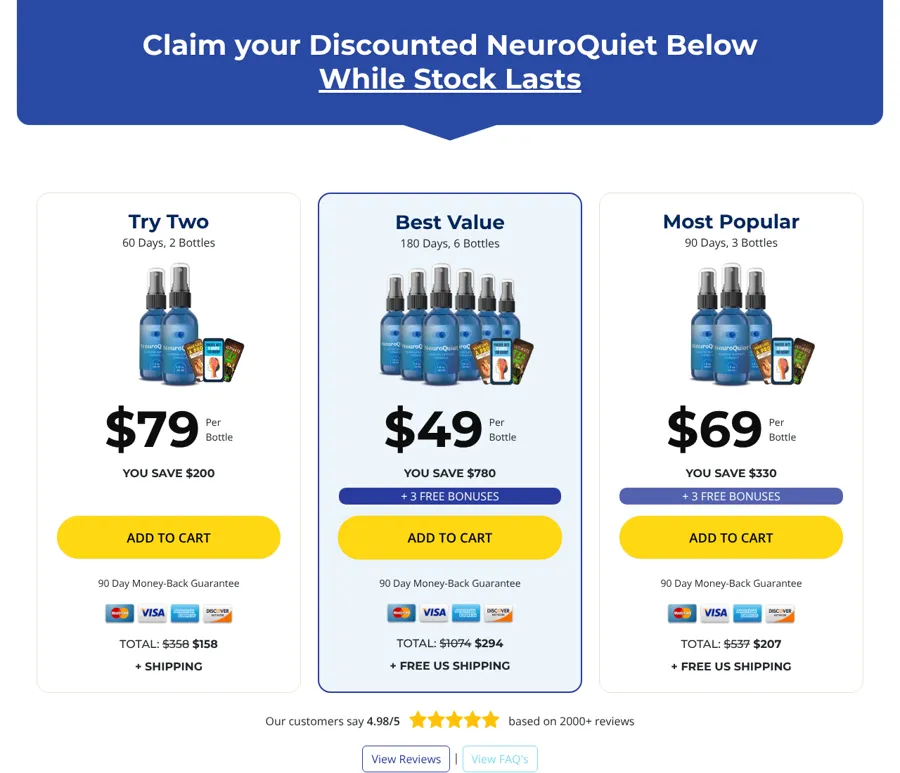
NeuroQuiet is sold in packages on its official order page. As checked in October 2026, the order page listed the following, but the home page has shown a different single-bottle offer, so confirm the final total at checkout:
| Package | Price shown on the official page |
|---|---|
| 2 bottles (60-day supply) | $79 per bottle — $158 total + shipping, no bonuses |
| 3 bottles (90-day supply) | $69 per bottle — $207 total, free US shipping, 3 e-book bonuses |
| 6 bottles (180-day supply) | $49 per bottle — $294 total, free US shipping, 3 e-book bonuses |
| 1 bottle (home page offer) | $179 + shipping, 3 e-book bonuses |
| Billing | One-time payment, no subscription |
| Guarantee | 90 days from the purchase date |
The three bonuses are digital downloads: a hearing guide, a memory guide and a booklet of tea remedies. The shipping policy says orders take 1 to 2 business days to process, ship mainly with UPS, and the FAQ estimates 5 to 10 days for US delivery. Orders can be cancelled within 24 hours of purchase.
The guarantee is where the details matter. The sales page describes a 90-day, no-questions-asked refund, even for empty bottles, minus shipping and handling fees. The separate return policy adds conditions: you must email support within 90 days of purchase to get a return authorization number (RMA), ship the product back at your own cost within 14 days of receiving it, include the RMA number, and send the tracking number to support. The return policy also contains generic lines about sale items and some health products not being refundable, which conflict with the sales page — so ask support to confirm the refund terms in writing and keep every email and tracking number.
→ Check today's NeuroQuiet price and packages on the official website
What We Saw on the Official NeuroQuiet Order Page (October 13, 2026)
On October 13, 2026 we opened the official order page ourselves and followed the checkout up to the payment step, without placing an order, to record exactly what a buyer sees. The screenshots below are unedited crops from that visit.
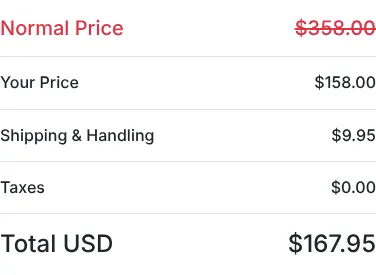
- At the secure checkout the bundles came to: $158.00 plus $9.95 shipping, $167.95 total; $207.00 with free shipping; $294.00 with free shipping. Tax showed as $0.00.
- Contact address listed on the official site: support@neuroquiet.com.
Where to Buy NeuroQuiet
NeuroQuiet is sold through its official website. The brand itself advises buying only there to get the genuine product. Listings on marketplaces or unknown stores may be imitations or old stock and are unlikely to be covered by the 90-day guarantee.
NeuroQuiet vs Other Tinnitus Supplements
Most tinnitus supplements are capsules built around ginkgo, zinc, magnesium or B vitamins — ingredients that have at least been tested for tinnitus, mostly without convincing results. NeuroQuiet takes a different route with a nootropic-style spray of Alpha-GPC, GABA, L-dopa and amino acids, none of which have tinnitus trials. Neither approach is backed by the clinical guideline. If you want a supplement, the real differences are format, transparency of doses and the refund policy; if you want relief that is supported by evidence, a hearing test, CBT and sound therapy come first.
Final Verdict
NeuroQuiet stands out for its format — a sublingual spray — and for a long 90-day guarantee. The label is published, the company is reachable by phone and email, and the order is a one-time payment.
The weaknesses are significant, though. No supplement has been shown to reduce tinnitus, and the main ear-and-throat guideline advises against recommending them. The label lists its blends in nanograms, which is far below any studied dose, and the formula includes L-dopa from Mucuna, an ingredient with genuine drug interactions. If you have already had your hearing checked, take none of the medicines listed above, and want to try it alongside proven approaches, NeuroQuiet can be tried under its guarantee — with low expectations and with the refund conditions confirmed in writing. Supplements support, they do not cure, and tinnitus with any red-flag sign deserves a doctor's visit first.
Frequently Asked Questions (FAQs)
Is NeuroQuiet FDA-approved?
No. The FDA does not approve dietary supplements. The sales page shows a badge for an FDA-registered manufacturing facility, which concerns where it is made, not proof that it works.
Does NeuroQuiet cure tinnitus?
No supplement has been shown to cure or reliably reduce tinnitus, and the main US clinical guideline advises against recommending supplements for it. Cognitive behavioral therapy, sound therapy and hearing aids have better evidence.
How do you use NeuroQuiet?
Shake the bottle and spray under the tongue: 2 sprays in the morning and 4 before bed. Hold for about 20 seconds, then swallow, and avoid food and drink for 30 minutes before and after.
Is NeuroQuiet safe?
No serious side effects have been publicly reported. It contains L-dopa from Mucuna beans, which interacts with MAO inhibitors, antidepressants, antipsychotics and Parkinson's drugs, so ask your doctor first if you take any prescription medicine.
Why does the label list ingredients in nanograms?
The label shows 2,000 ng and 1,000 ng blends, which are tiny amounts compared with researched doses. We could not confirm whether this is accurate or a labeling error; ask customer support in writing before buying.
Is NeuroQuiet a subscription?
No. The official FAQ states that you pay once and there are no future charges.
What if NeuroQuiet doesn't work for me?
Email support within 90 days of purchase to request a return authorization (RMA), ship the bottles back at your cost within 14 days with the RMA number, and send the tracking number. Shipping and handling fees may not be refunded.
Want to compare the current NeuroQuiet packages? The official site lists today's prices.
Visit the Official NeuroQuiet Website →References
- Tunkel DE, et al. Clinical practice guideline: tinnitus. Otolaryngol Head Neck Surg. 2014;151(2 Suppl):S1-S40.
- Fuller T, et al. Cognitive behavioural therapy for tinnitus. Cochrane Database Syst Rev. 2020;1(1):CD012614.
- Chandrasekhar SS, et al. Clinical practice guideline: sudden hearing loss (update). Otolaryngol Head Neck Surg. 2019;161(1 Suppl):S1-S45.
- De Jesus Moreno Moreno M. Cognitive improvement in mild to moderate Alzheimer's dementia after treatment with the acetylcholine precursor choline alfoscerate: a multicenter, double-blind, randomized, placebo-controlled trial. Clin Ther. 2003;25(1):178-193.
- Katzenschlager R, et al. Mucuna pruriens in Parkinson's disease: a double blind clinical and pharmacological study. J Neurol Neurosurg Psychiatry. 2004;75(12):1672-1677.
- Jongkees BJ, et al. Effect of tyrosine supplementation on clinical and healthy populations under stress or cognitive demands — a review. J Psychiatr Res. 2015;70:50-57.
- National Institute on Deafness and Other Communication Disorders (NIDCD). Tinnitus.
This review is for general information only and is not medical advice. Product details (ingredients, prices, guarantee) come from the official NeuroQuiet pages as checked in October 2026; they can change, so confirm them at checkout. Talk to your doctor before starting any supplement, especially if you take prescription medication or have a health condition.